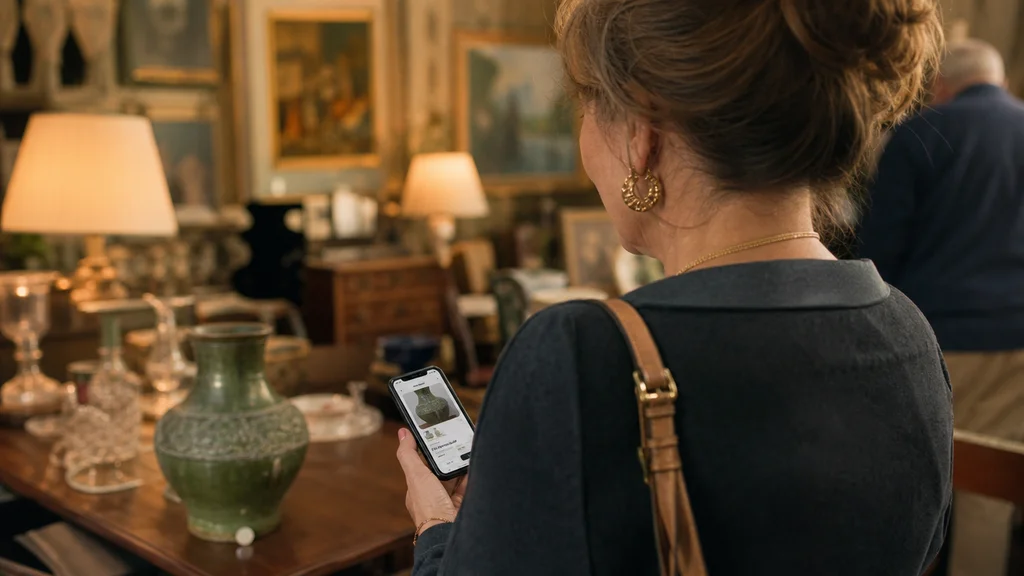


Is grandma's bag actually worth something?
Some are worth $20. Some are worth $200. Some are worth thousands. And from the outside, they often look remarkably similar.
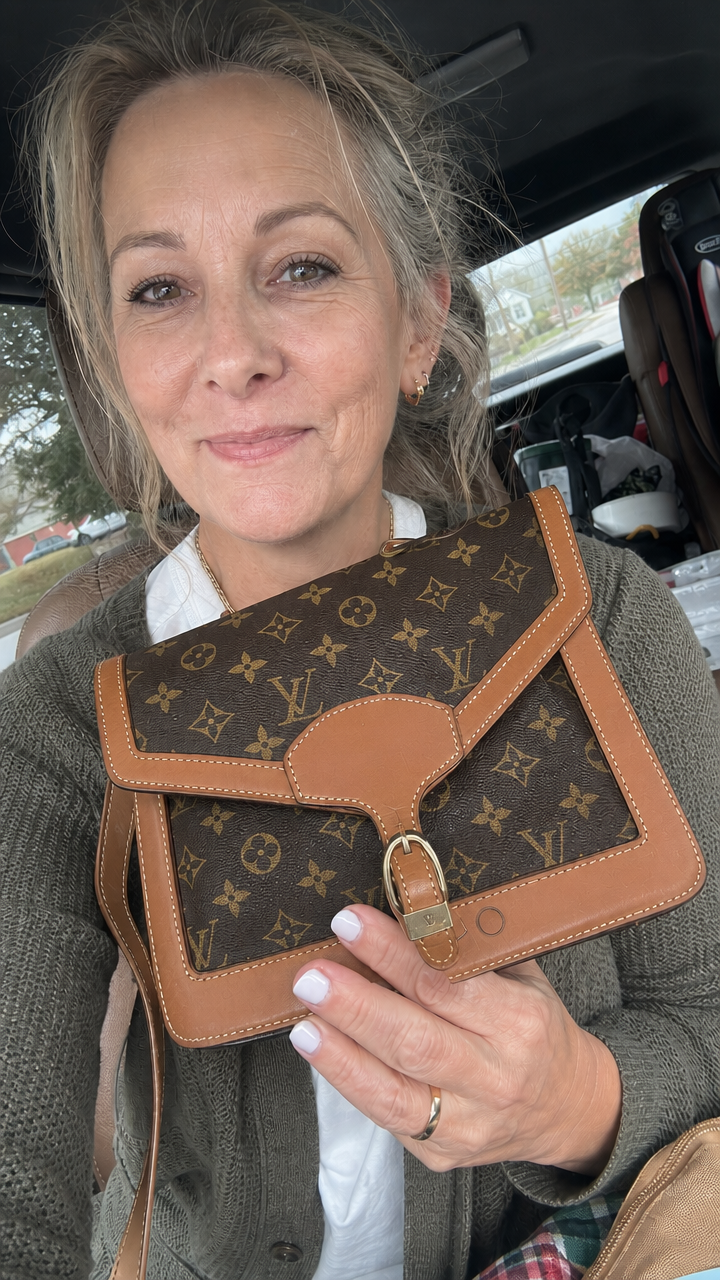
It starts the same way for a lot of people. You're helping a parent clean out a basement. Going through a relative's estate. Organizing a closet that's been untouched for years. Maybe you're simply trying to make space and finally dealing with boxes that have been sitting in the attic forever.
Then you find it. An old handbag.
Maybe it's wrapped in tissue paper. Maybe it's sitting in the back of a closet. Maybe it's hanging from a hook, exactly where your grandmother left it years ago.
At first glance, it doesn't seem like much. It's old. Maybe it's worn. Maybe the style looks outdated. Maybe you assume it's something that should be donated, tossed, or added to a garage sale pile.
But before you do that, it's worth asking one simple question: is grandma's bag actually worth something? The answer might surprise you.
Every year, countless vintage handbags, purses, and designer accessories are donated, discarded, or sold for a fraction of their true value because their owners have no idea what they have. Some are worth $20. Some are worth $200. Some are worth thousands. And from the outside, they often look remarkably similar.
Why so many valuable bags get overlooked
Most people don't think of handbags as collectibles. They think of them as accessories — something that was used, carried, worn out, and eventually replaced.
Collectors see something different. They see craftsmanship. They see history. They see rarity. They see brands, styles, materials, and manufacturing techniques that may no longer exist today.
What appears to be an old purse sitting in a closet could actually be a sought-after vintage piece that collectors have been searching for. The challenge is that most people don't know what details matter.
The biggest mistake people make
The biggest mistake is assuming age determines value. It doesn't. A 100-year-old handbag can be worth less than a designer bag from the 1990s. A bag that originally sold for a modest amount may now be highly collectible because it represents a specific era or style.
Value comes from demand. Collectors don't pay for age — they pay for rarity, desirability, condition, and authenticity. That's why two bags that look almost identical can have dramatically different values.
The brands that can surprise you
Most people know the obvious luxury brands. If you find a Chanel, Hermès, Louis Vuitton, Gucci, Prada, Dior, or Fendi bag, your attention immediately goes up. But those aren't the only brands worth researching.
Many vintage Coach bags that sold for relatively modest prices decades ago now sell for hundreds of dollars. Certain Dooney & Bourke styles have dedicated collector communities. Older leather bags from brands that are no longer producing certain designs can become highly desirable. Even department store brands occasionally have rare or collectible pieces that attract strong demand.
The lesson? Don't assume something is worthless because the brand isn't immediately recognizable.
Condition matters more than you think
Condition is one of the biggest drivers of value. Collectors typically look at:
- Exterior wear
- Interior cleanliness
- Stitching quality
- Original hardware
- Zippers and closures
- Strap condition
- Original labels
- Dust bags
- Authenticity cards
- Receipts
A bag in excellent condition can sell for significantly more than an identical bag showing heavy wear. That said, don't assume damage means no value. Many collectors purchase bags specifically for restoration, and luxury bags in rough condition can still command impressive prices if the underlying piece is desirable enough.
Vintage is back
Fashion trends are cyclical. What was considered outdated twenty years ago may suddenly become fashionable again. That's one reason vintage handbags have become increasingly popular.
Many buyers are looking for unique pieces they won't see everywhere else. They want quality materials. They want older craftsmanship. They want something different from what's currently available in stores. As a result, vintage handbags that sat unnoticed for decades are finding new life in the resale market.
How to quickly check a bag's value
Before donating, selling, or giving away a handbag, look for:
- Brand labels — check inside pockets and compartments.
- Serial numbers — many designer brands include identifying numbers.
- Date codes — certain manufacturers use production codes that help determine age.
- Maker's marks — small stamps or engravings often provide valuable clues.
- Unique hardware — clasps, buckles, zippers, and logos can help identify specific models.
- Original packaging — dust bags, receipts, boxes, and authenticity cards can increase value.
The more information you can gather, the easier it becomes to identify what you have.
The hidden value of family items
There's another reason these discoveries are meaningful. Many of these items carry stories. A handbag isn't always just a handbag. It might have traveled across the country. It might have been carried every day for decades. It might have been saved for special occasions. It may be one of the few remaining physical connections to someone you loved.
Even when an item has financial value, many people are surprised to discover its emotional value is even greater. That's why it's worth learning more before making a decision.
Before you donate it
Think about how often people say things like:
- “I wish I would've known.”
- “I had one of those.”
- “I donated one years ago.”
- “I sold it at a garage sale for five dollars.”
These stories happen all the time. Not because people are careless — because identifying collectibles can be difficult. Most people aren't handbag experts. Most people aren't collectors. Most people don't spend hours researching brands and sold listings. That's exactly why so many valuable items get overlooked.
How Value Scout can help
Instead of spending hours searching online, comparing photos, reading forums, and digging through completed sales, Value Scout helps simplify the process. Simply scan the item and receive:
- Brand identification
- Similar items
- Estimated value range
- Market demand insights
- Collectible indicators
- Additional research information
Whether it's a handbag, piece of jewelry, antique, collectible, toy, artwork, or family heirloom, the goal is simple: help you understand what you have before you decide what to do with it.
"Grandma's bag might be worth nothing. It might be worth $50. It might be worth $500. Or it might be one of those rare discoveries people talk about for years. The only way to know is to check."
Before you donate it, sell it, or give it away, scan it with Value Scout and discover what it may actually be worth.