

How learning Fair Market Value helped me build a $200,000/month eBay business.
Five years ago I would've thought $200K months belonged to someone with a warehouse and employees. Then I stopped guessing at prices and started understanding Fair Market Value.
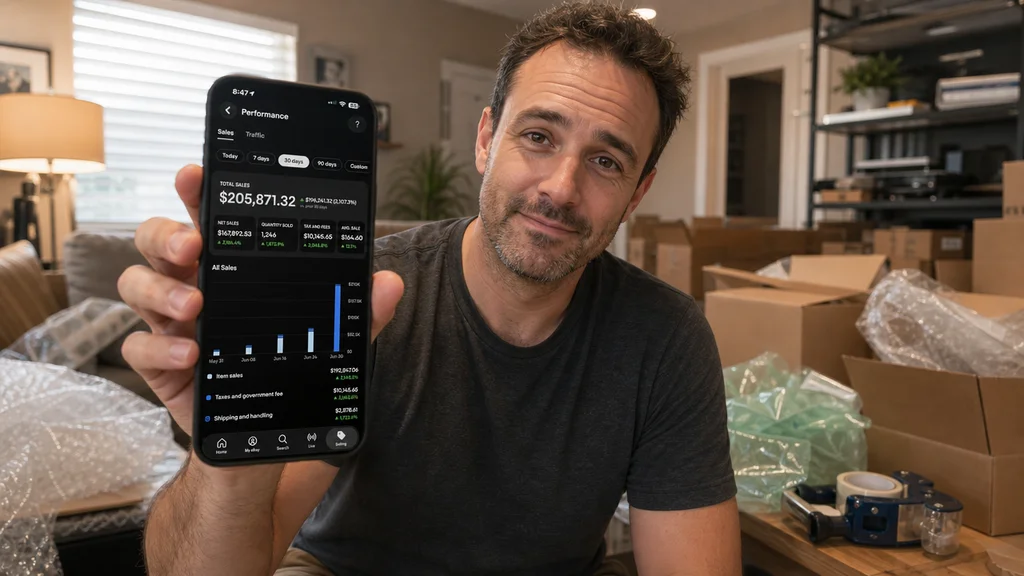
Five years ago, if you told me I'd be doing over $200,000 a month in eBay sales, I would've thought you were talking about someone else.
Someone with a warehouse. Someone with employees. Someone with insider connections. Someone who had been doing this their entire life.
Instead, it was me.
A guy spending weekends at garage sales, estate sales, thrift stores, flea markets, and auctions hoping to find something worth reselling.
The funny thing is, my business didn't really change because I found better inventory. It changed because I learned how to value inventory. And that happened when I started using Value Scout.
I thought finding inventory was the hard part
For years, I believed the secret to success was sourcing. I thought the best resellers knew where all the good estate sales were. I thought they had special contacts. I thought they had secret suppliers.
Every weekend I'd drive all over town trying to beat everyone else to the good stuff. But after a while I realized something. I'd often find the same items as other resellers. Sometimes I'd even buy the same categories. Yet somehow they were making far more money.
It wasn't because they found better inventory. It was because they understood value better than I did.
My biggest mistake was pricing everything wrong
When most people start selling online, they don't realize how much money they lose from bad pricing. I definitely didn't.
If I bought something for $20 and thought it was worth $100, I'd list it for $100. The problem? Sometimes it was worth $300. Other times it was only worth $50. I was constantly underpricing valuable items and overpricing average ones. Both mistakes cost money.
Underpriced items sold instantly. I thought that was a good thing. In reality, it often meant I had left hundreds of dollars on the table. Overpriced items sat in my inventory for months collecting dust.
I wasn't running a business. I was guessing.
The day everything changed
One afternoon I was reviewing my eBay sales and noticed something frustrating. Some of my fastest-selling items were also my most profitable items. That didn't make sense. If they sold so quickly, maybe I had priced them too low.
That sent me down a rabbit hole. I started researching Fair Market Value. Not asking prices. Not wishful thinking. Actual market value. What buyers were really paying. What items were actually selling for. How quickly they were moving.
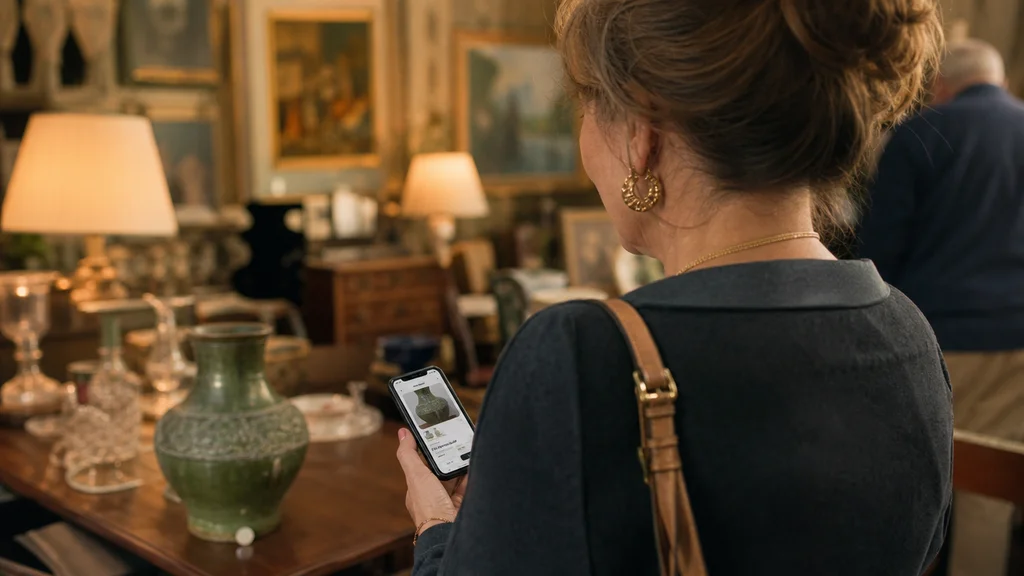
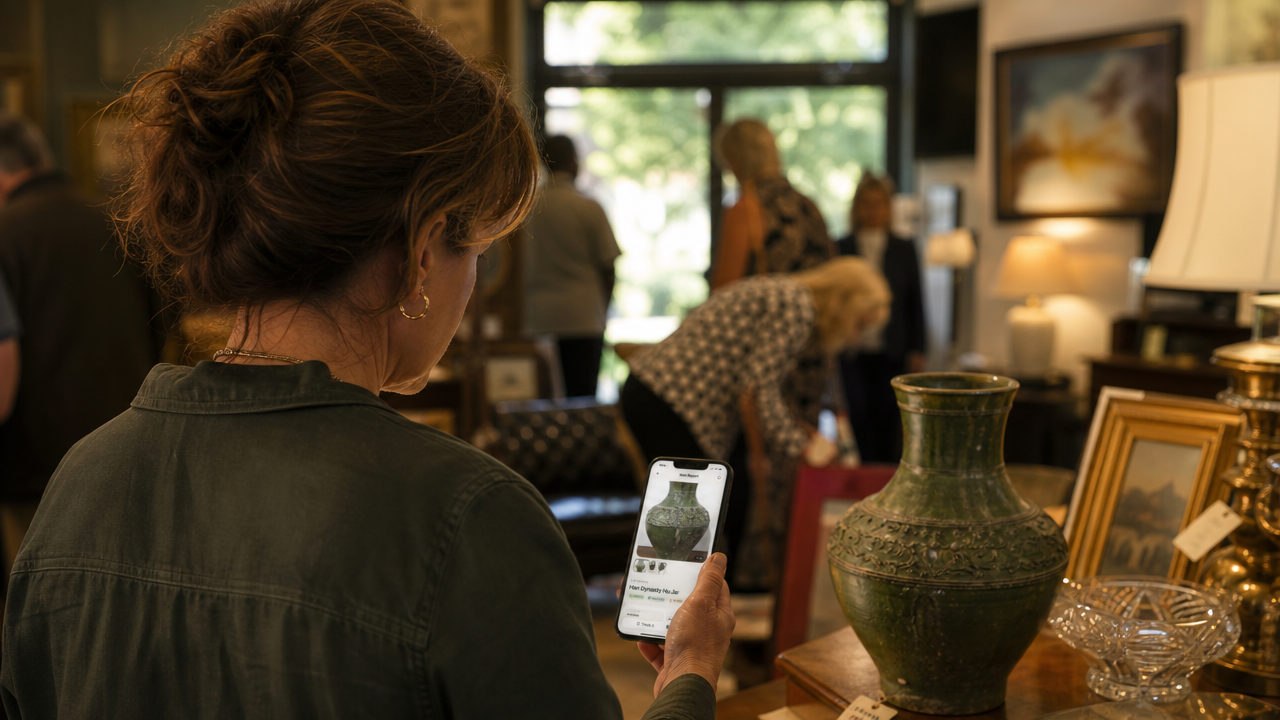
That's when I found Value Scout. At first, I thought it would simply help me identify items. What I didn't realize was that it would completely change how I ran my business.
Fair Market Value became my competitive advantage
The biggest shift wasn't sourcing. It was pricing. When I started using Value Scout, I could see far more than just what an item was. I could see:
- Fair Market Value
- Recently sold comparable sales
- Market demand
- Price ranges
- Historical selling behavior
Suddenly I wasn't guessing anymore. I knew when I was looking at a $50 item. I knew when I was looking at a $500 item. And most importantly, I knew when I was looking at something everyone else was mispricing.
"That's where the money is made. Not in finding valuable items — in recognizing valuable items before everyone else does."
My sales started climbing
The first thing I noticed was that my inventory quality improved. Not because I was buying different things. Because I was buying smarter things. I stopped chasing items that looked valuable. I started buying items that the market proved were valuable.
Then something else happened. My sell-through rate improved. My inventory turned faster. My average selling price increased. My profit margins increased. And month after month, my revenue kept growing.
$10,000 months became $25,000 months. $25,000 months became $50,000 months. Then six figures. Then more. Today, my eBay business generates over $200,000 in monthly sales.
People think I found a secret
Whenever people hear that number, they ask the same question. “What are you selling?” They're usually disappointed by the answer. Because there isn't one magical category.
I sell everything.
- Furniture
- Collectibles
- Vintage items
- Art
- Pottery
- Electronics
- Decor
- Estate sale finds
The real secret isn't what I sell. The real secret is understanding what something is worth. That's it. The biggest opportunities don't come from finding rare items. They come from finding items the market has mispriced.
The difference between amateurs and professionals
Amateurs ask: “Can I sell this?” Professionals ask: “What is this actually worth?” That's a completely different mindset.
Once you understand Fair Market Value, sourcing becomes easier. Pricing becomes easier. Negotiation becomes easier. Inventory management becomes easier. Every decision improves because it's based on information instead of assumptions.
Why I still use Value Scout every day
People assume once you've been reselling long enough, you stop needing tools. The opposite is true. The larger my business became, the more important accurate market data became.
Today I still use Value Scout every single day. Not because I don't know what I'm doing. Because I do. The best decisions come from the best information. And in the resale business, information creates profit.
The real lesson
If there's one thing I've learned building a business that now does over $200,000 a month in sales, it's this: most people don't lose money because they miss opportunities. They lose money because they don't understand value.
They underprice valuable items. They overpay for mediocre inventory. They guess. I used to do the same thing. Then I started using Value Scout. Not to find more stuff. To understand what stuff was actually worth.
"Once you know Fair Market Value, you stop hoping for profits. You start seeing them before anyone else does."